Weekly classes
Three locations, four classes, a cap of ten. No experience needed and experienced students supported to go further. This is where everybody starts and where most of the work happens.
Inside the weekly class
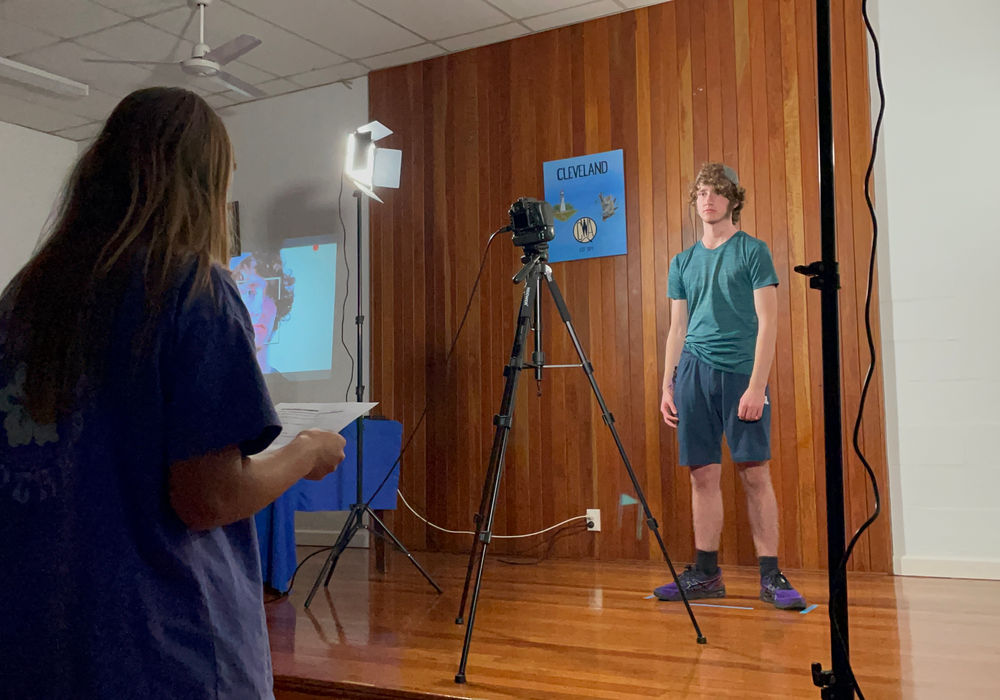
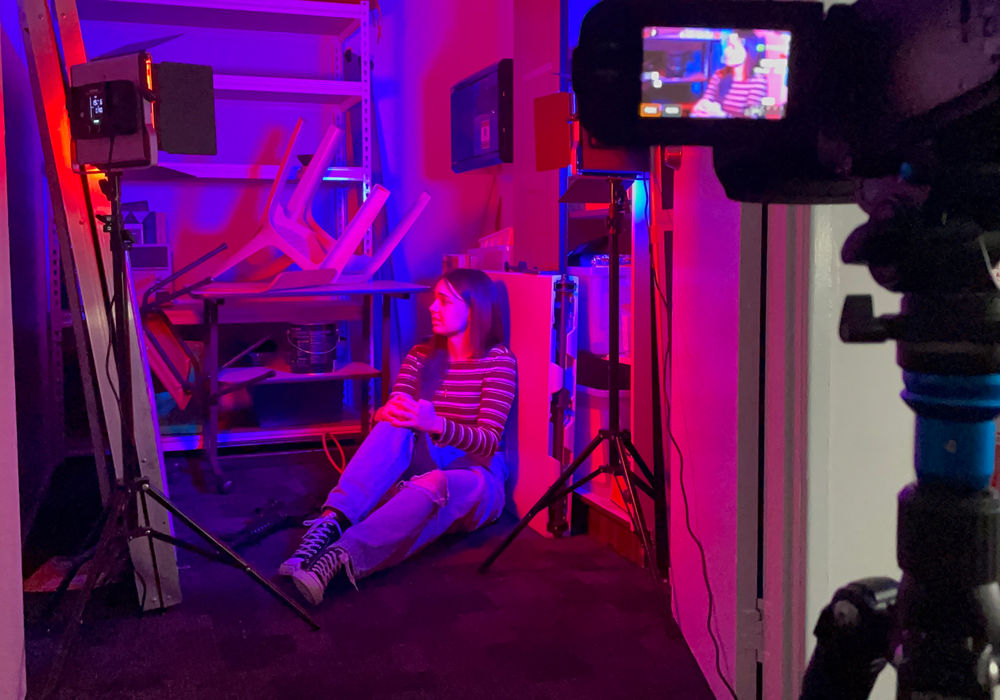
A classroom that films
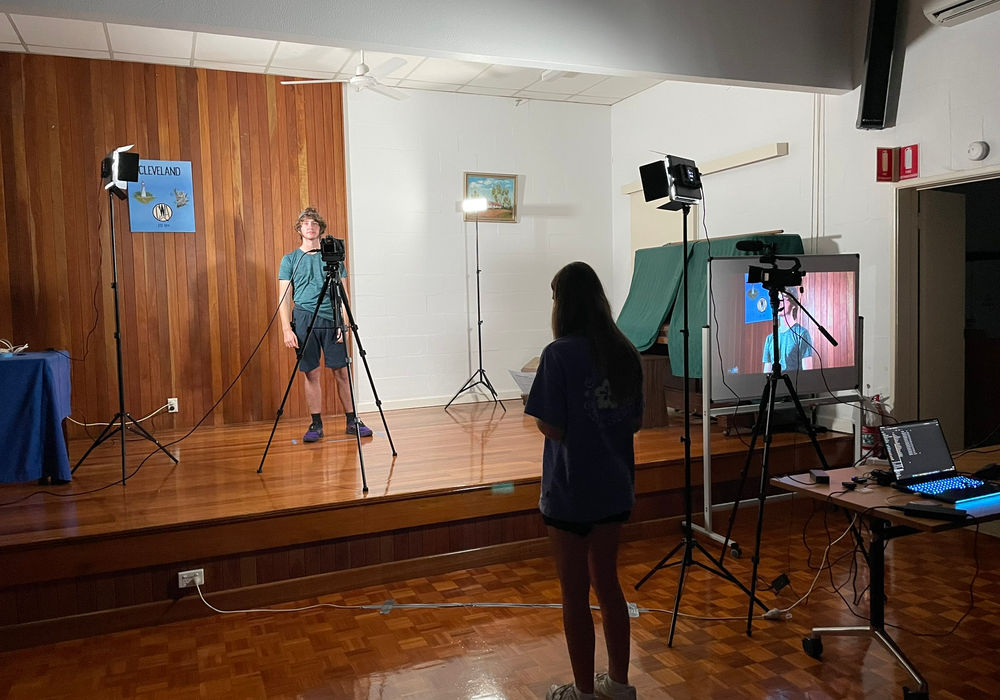
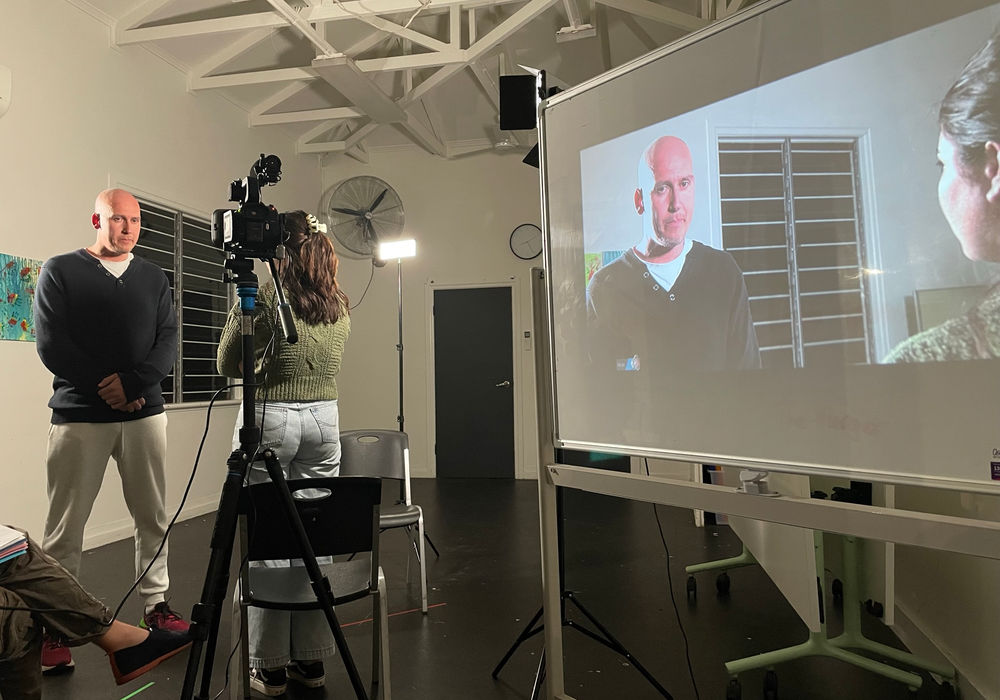
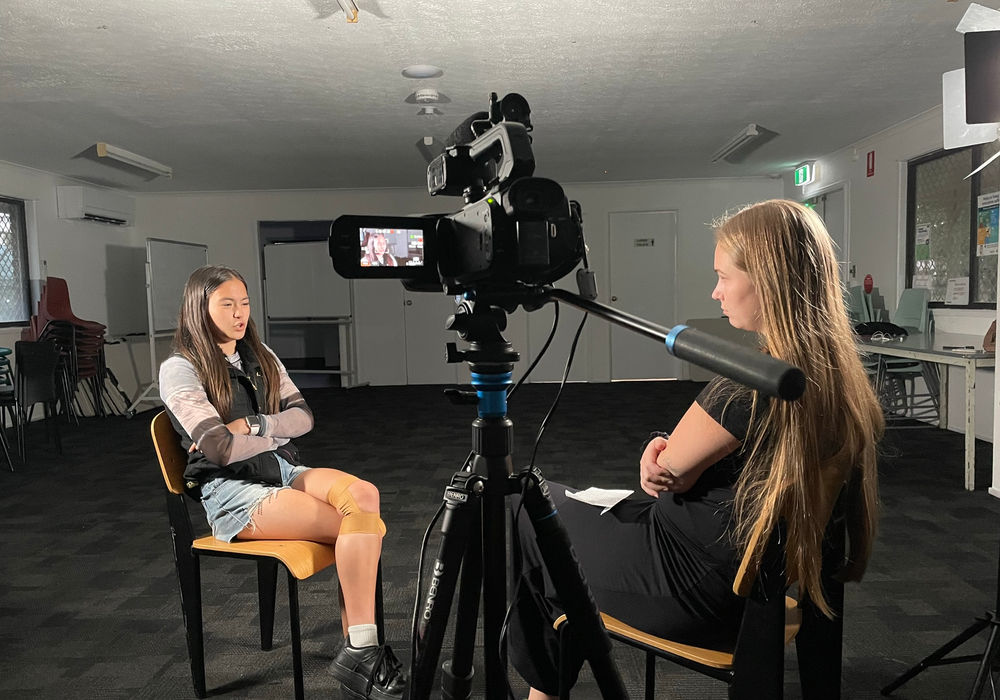
The rooms are community halls and church halls, not a studio, and we would rather say so. Every performance is filmed every week on phones and iPads, and watched back in the room while the note is still fresh. The camera, the microphone and the lights come in on the production day, with the crew that shoots our films.
Every student gets up, performs, and then watches it back. That loop is the whole method and it is why a screen class has to be small.
Classes are booked by the term and run to a full year's curriculum, so a term is a chapter rather than a standalone course. Numbers are capped and a full class goes to a waiting list.
The last night of term
What every student actually walks out with
Not what happens in the room. What is in their hands at the end of a term, which is a different question and the one worth asking of any class you are paying for by the term.
The footage. All of it.
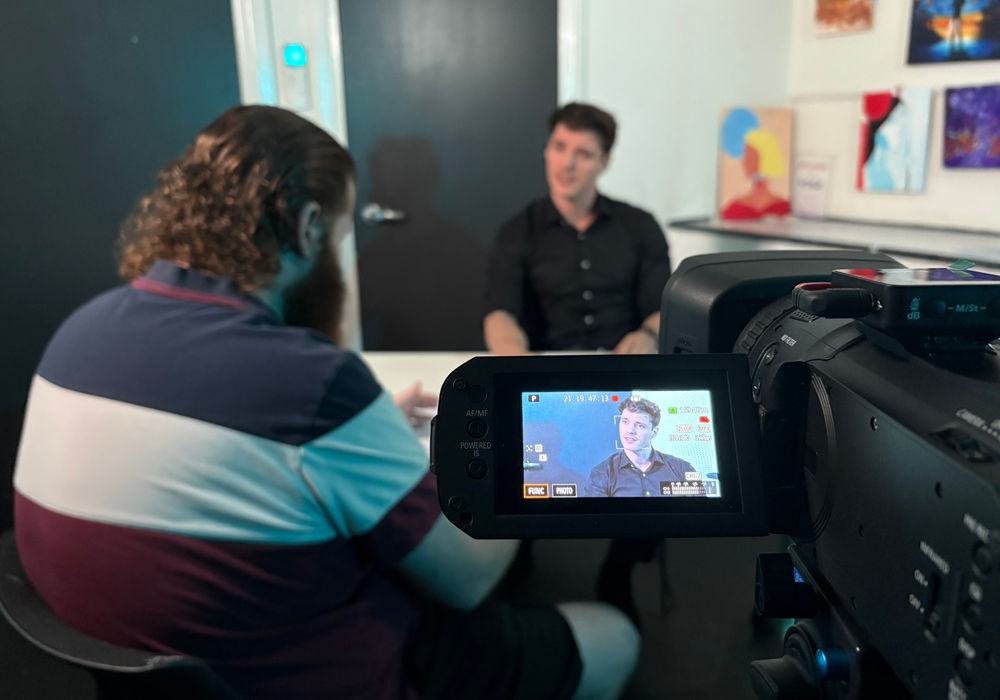
Every performance is filmed and the files go to the student, or to the family for under-18s. Not a highlight, not one showcase piece at the end: the actual takes, week by week. That is unusual enough that people assume there is a catch, and there is not one.
Yours to keepEvery week
A day shot for the edit
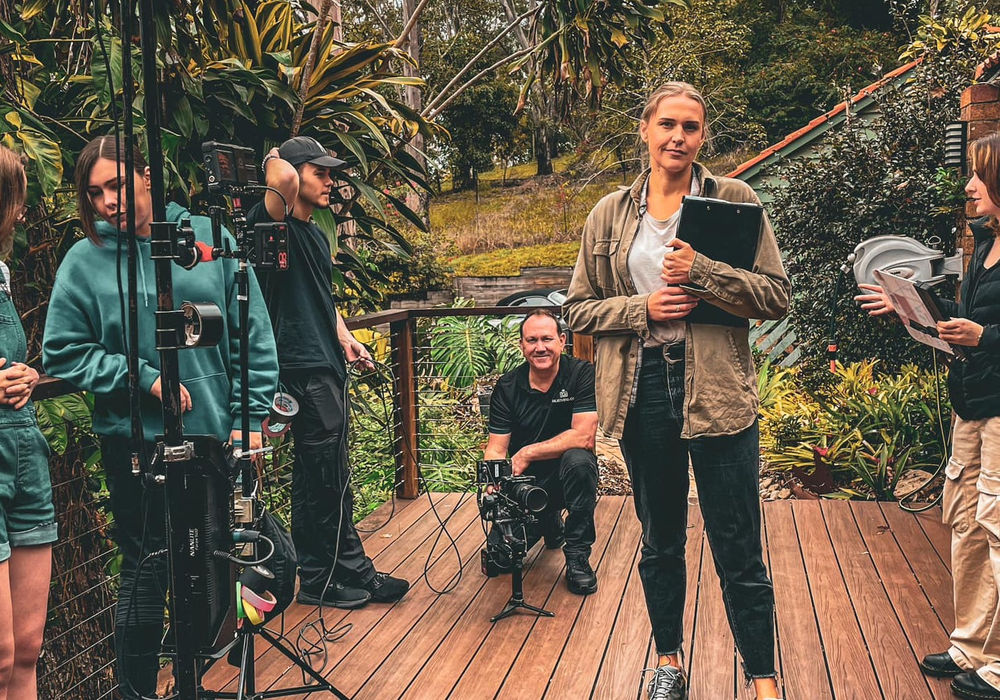
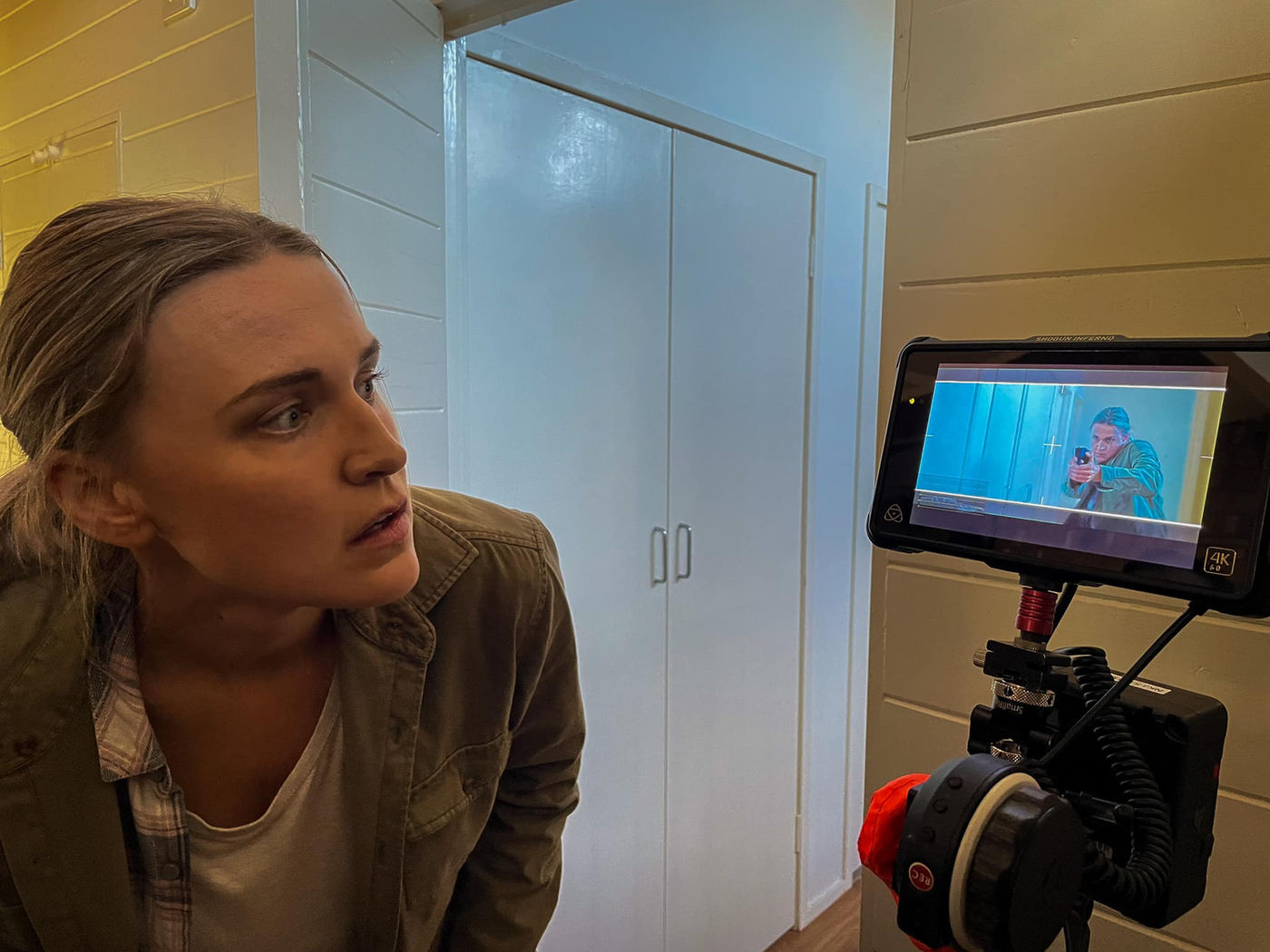
Every term contains one production day: a longer day at a location, with every class together. The work is covered from more than one angle, which is what makes a performance cuttable, and the day is part of the term rather than an upsell.
Inside the termOnce a term
A term of themselves
Because it is filmed every week and watched back every week, the first week still exists on the last night. A student can see the difference rather than be told about it, and so can you.
Side by sideFirst to last

A next step that is real
Graded exams with an external examiner, a showreel, agency representation, a festival screening at external festivals through Koevari Pictures. Not everyone wants any of it. It matters that it exists and that the people running it have done it.
OptionalFive ways on
Where and when
Three locations
Junior Film & Voice
Ages 7 to 12. Craft on camera at a pace that suits a younger performer, filmed each week and watched back the same night. Wednesdays, 4:15pm.
Teen Film & Voice
Ages 12 to 15+ recommended, 10 and 11 year olds by trial. The core programme: craft on camera, scene work, voice, and the production day. Wednesdays, 6:00pm.
Teen Film & Voice
Ages 12 to 15+ recommended, 10 and 11 considered. The same programme, closer to the bay. Fridays, 5:00pm.
Mature Acting
15 years to adult. Screen technique with the same filmed feedback loop, in a room of people doing it for themselves. Community hall at the rear of the building. Mondays, 6:30pm.
What the term price buys
- Every class night filmed, and every performance on it. Every class night of the term and the production day, and the files go to the student, or to the family for under-18s. Not a highlight and not one showcase piece at the end.
- A production day, inside the term. Not an add-on and not an extra invoice. It is covered from more than one angle, which is what makes a performance cuttable, and that is the difference between a performance you can use and a recording of one.
- A room capped at ten. The cap is what decides how often each student actually gets up inside 2h 30m, which is why a full class goes to a waiting list rather than getting more chairs.
- The crew that shot the films on this site. The same director and the same kit come into the room on the production days. Both films were cast out of these classes and carry nineteen festival wins between them.
- No joining fee and no uniform. A second child in the family is $60 off, and the prices are on this page rather than behind a phone call.
Term totals: $512 mature over eight weeks, $396 junior, $576 Acacia Ridge teen and $531 Cleveland over nine. Each total counts the production day as one of the sessions. Mature Acting has one fewer because Term 1 starts on a Wednesday, so its first Monday class is the following week, and the price is a session smaller to match. A second child in the family is $60 off. No joining fee, no uniform, and no phone call required to find out what anything costs.
Why one day and not ten
A scene you can cut is a different thing from a recording of one
Filming a performance straight through from the back of the room gives you a record of what happened. It is genuinely useful and we do it every week, because a student who watches themselves back on the night fixes it on the night.
It is not the same object as a scene. A scene is covered: the performance is played more than once and shot from more than one position, so an edit can cut to the take where the actor lands it. That is why the production day in a term is a day rather than minutes, and it is why what comes off them can go on a reel while the weekly footage cannot.
It is also the part a list of features cannot show you, which is the honest reason this page has a scene on it rather than a claim about one.
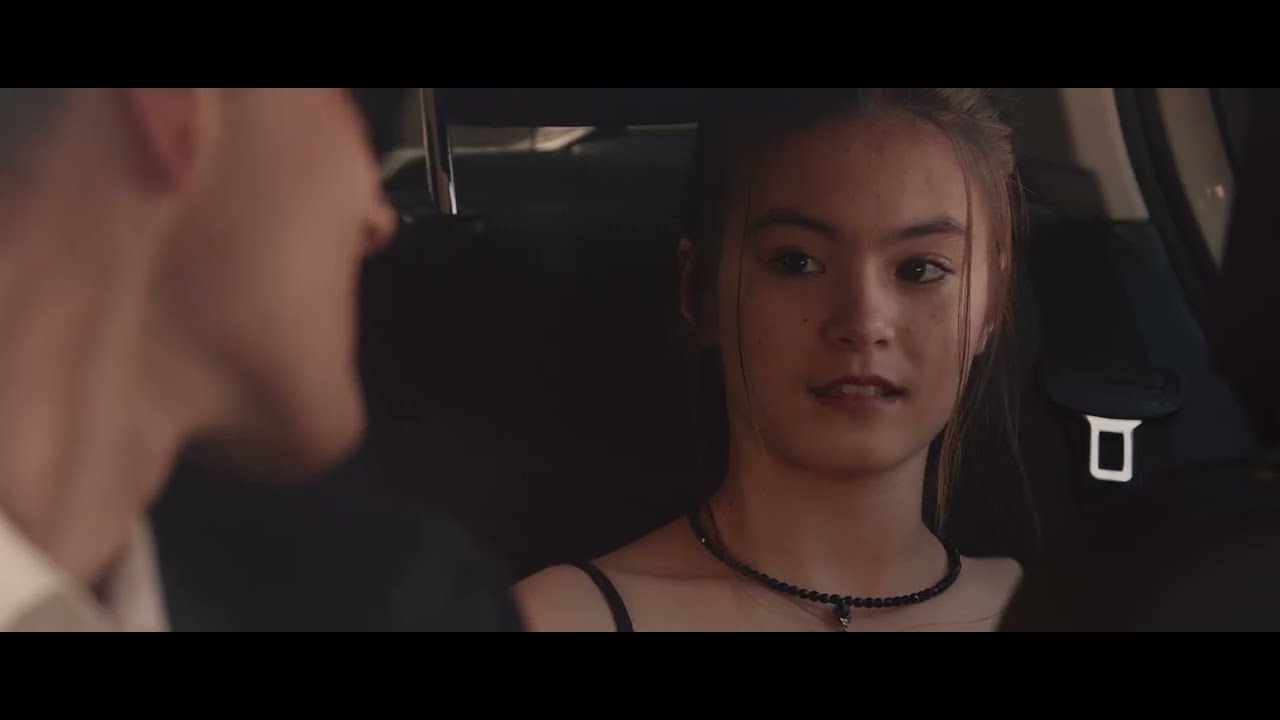
CONTACTShot on a FilmLab production day with Koevari Pictures, covered and cut. Every scene in the reel room was made the same way.
Ages 7 to 12
What ninety minutes on a Wednesday afternoon actually looks like
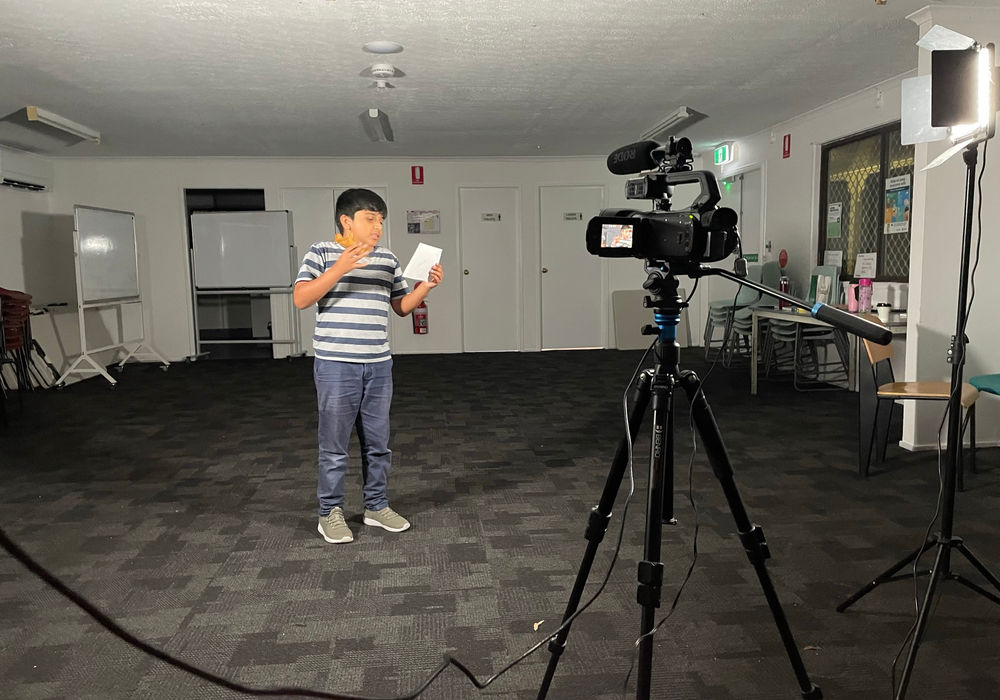
Almost nothing else on this website applies to a seven year old, and we should stop writing as though it does.
A reel, a casting profile, an agent, a credit: those are real and they matter, and they matter enormously to a fifteen year old with a plan. If your child is seven, none of it is what you are shopping for, and some of it probably puts you off, because it sounds like pressure you do not want on a small child.
So here is the junior class with none of it in the way. Ninety minutes on a Wednesday afternoon where being loud, odd, funny or theatrical is the point rather than the problem. They read something. They perform it to a camera. Then they sit down and watch themselves back, which is the part they talk about in the car.
They get to watch themselves back and laugh. At this age that is the whole hook, and it is enough.
If yours is seven or eight
The work is short and it is play. Simple lines, simple ideas, and a lot of doing the same thing again until it lands. What changes first is not technique. It is being willing to go first.
Watch forVolunteering
If yours is eleven or twelve
Closer to the teen room. Real scenes, a character with decisions in it, and notes they are expected to take and then actually use. This is where the step up to the teen class comes from.
Watch forTaking a note
If yours is quiet
Junior is capped at ten. In a group that size a quiet child cannot sit at the back and wait it out, and is also never the only one being looked at. If yours is the quiet one, that is the thing most worth knowing.
Cap10 students
Who is in the room
Lee-Challe Kriel, who works as an actor and teaches every junior and teen class at Acacia Ridge. One adult holding a current Blue Card, in a hall with the door your child walked in through.
Wednesdays4:15pm
Before you commit to a term
What happens if life gets in the way
A whole term is a real commitment and the honest questions about one are practical. These are already in our terms; they are here because that is not where you should have to find them.
What if a student is ill?
Tell us ahead of time and we will find them a makeup session in another one of our classes. If none of those work, the fee becomes a credit toward a future term. The policy: "In the event that you advise us ahead of time of illnesses, we are able to offer you a makeup session in another one of our classes, or if those do not end up working, a credit in a future term enrolment."
What if we have a holiday booked?
Say so when you enrol and it comes off your term fee. If it comes up later, two weeks of notice gets an alternative class where there is room, or the credit moved forward. The policy: "When enrolling, please do advise us if you have a planned holiday or clash in the upcoming term, and we will take this into account for your term fees. We do ask to keep these to a minimum."
What if we change our minds?
A sliding scale rather than all or nothing, counted from your first class of the term: 0% more than 4 weeks before your first class of the term; 25% less than 4 weeks, but more than 1 week before your first class of the term; 50% within 1 week of class commencing; 100% within 2 days of class commencing.
What if the class does not run?
Then you are not out of pocket. The policy: "FilmLab reserves the right to cancel classes if they do not obtain a sustainable number of enrolments for a class. This is unlikely, but if this happens, you will be provided with alternatives or a full refund should this be the case."
And two things we reserve
We would rather say these here than leave them for you to find. "While FilmLab endeavours to ensure availability of teachers, we reserve the right to make last minute teacher substitutions." And: "While FilmLab endeavours to ensure consistency of venues for classes, we reserve the right to make last minute changes to venues (with notification) to parents/guardians/carers."
Quoted from our terms rather than summarised, and the whole of them, along with the privacy, anti-bullying and student rules, is on the terms and policies page.
Coming to try one
Coming to try one
Every student gets one trial class, free, once. Come and sit in, watch the room work, and decide afterwards.
Joining mid-term is fine and we would rather you did than waited. Tell us which week you want to start and we will sort out paying only for the classes that are left.
The shape of a term
A term, and one day of it shot for the edit
Craft, on camera, filmed every week
Instrument and technique work drawing on Eric Morris, Meisner repetition and Method practice, taught for the camera rather than the stage. Filmed, played back, adjusted, filmed again.
Scene work and voice
Scene partners, script analysis and Linklater voice work, with the filmed feedback loop running every week.
The production day
A full day at one location, everyone together, on better gear than a classroom holds. Term 4: cinematographer Nigel Jones shoots the day. Every student gets their raw footage, the uncut takes, after the day (parents receive it for under-18s), and the best moments from the whole day are cut into a featured episode, the start of an ongoing FilmLab web series.
What is actually taught
Four named methods, not a house style
It is easy to describe an approach in adjectives. Here is ours in proper nouns, so you can look each one up.
Eric Morris
Craft and instrument work. The exercises a student uses to find and release tension in their own body and voice before they can do anything truthful with a scene.
Meisner
Repetition. The technique that builds real listening and real responding, so a performance happens between two people rather than inside one head.
Method acting tools
Private moment, sense memory and inner monologue. Tools a student can pick up and put down, not a way of living.
Kristin Linklater voice
Connecting the technical instrument to the emotional impulse to speak, so proficiency arrives with organic believability rather than instead of it.
The programme is built around the Australian Curriculum: Drama, across creating and devising, performance skills, rehearsal and refinement, script analysis, voice-over, performing, responding and evaluating. It is not accredited, approved or endorsed by anybody, and we will not say it is.
The progression
You can read what improvement looks like
Eight threads, four levels, and a marking sheet of fourteen criteria with a written sentence for every band. All of it is published in full on one page.
What a student walks away with
The learning outcomes, written out
These are not a summary of the class. They are the outcomes FilmLab wrote for it, and until now they lived on the booking page, which is the last place you would look before deciding whether to enrol.
Improved communication skills
Acting helps students learn to express themselves more clearly and effectively, both through verbal and nonverbal communication.
Improved voice projection
Voice acting helps students learn to project their voice and control its pitch, tone, and volume.
Enhanced vocal range
Voice acting allows students to explore and develop their vocal range, helping them to express a wider range of emotions and characters.
Increased self-confidence
Performing in front of an audience helps students build self-confidence and self-esteem.
Greater versatility
Voice acting allows students to play a wider range of characters and roles, helping them to develop their versatility as performers.
Enhanced creativity
Acting allows students to tap into their imagination and come up with unique ideas and perspectives.
Better social skills
Acting encourages students to work cooperatively with others, improving their social skills and ability to make friends.
Increased emotional intelligence
Acting helps students develop their emotional intelligence by allowing them to explore and express a range of emotions.
Improved public speaking skills
Performing in front of an audience helps students build their confidence and improve their public speaking skills.
Enhanced problem-solving skills
Acting requires students to think on their feet and come up with creative solutions to problems that may arise during a performance.
Improved focus and concentration
Acting requires students to stay focused and concentrate on their lines and actions, which can help improve their overall focus and concentration.
Greater self-discipline
Acting requires students to be disciplined in their rehearsals and performances, which can help them develop self-discipline in other areas of their lives.
Fun and enjoyment
Above all, acting can be a fun and enjoyable activity at any age, helping them to relax and have a good time.
Learning to gain confidence in front of a camera
Acting requires students to be filmed and therefore by practicing and participating in lessons, confidence in front of a camera will improve.
Learning what looks good when performing to camera
Students will learn how to set themselves up in front of a camera, where to look as well as what movements and angles looks best when performing to camera.
Mature, fifteen and over
A different list, for an adult room
The adult class is not the teen class with older people in it. These are its own outcomes.
- How to be more autonomous as an actor (how to recognise when there is a barrier in a scene and how to become self-aware, along with fixing these problems)
- Annunciation and a more thorough look at any accent barriers which may prove as a barrier to believability (if the actor themselves believes this to be so)
- Acting in a scene with another actor, focussing heavily on subtext and believability in a scene
- More focus on delivering feedback
- Revision - how to approach an audition
- How voice acting differs from film acting
- Voice acting in multiple discipline (Film voice-over, animation, documentary, etc)
- Theory involved in voice acting (equipment etc)
- Practical learning
Graded exams and accreditation
Optional, and we handle it for you
Students who want a formal, externally recognised qualification can work toward graded speech and drama examinations with AMEB or Trinity College London. We prepare them inside the normal weekly class, plan the term so they are ready at the right time, and handle the accreditation process so nobody has to work out the paperwork alone.
The grades are awarded by the examining body. What FilmLab does is the training, the guidance, the exam preparation and the administration of getting each student there ready.
It is entirely optional, and plenty of students never sit one and progress just as well.
Our own courses are not accredited courses, deliberately. That keeps the cost down and lets us teach what a working screen actor actually needs rather than teaching to an assessment framework. The graded exams sit on top, for students who want the external benchmark as well.
And for school students, they count toward the QCE. The Queensland Curriculum and Assessment Authority recognises Trinity College London acting and communication qualifications from Grade 4 upwards as contributing credit toward the Queensland Certificate of Education, in the Complementary category of learning. Recognition currently runs to 31 December 2027.
Who does what
- Examining bodies
- AMEB, and Trinity College London
- Awards the grade
- The examining body, not FilmLab
- FilmLab does
- The training, the guidance, the exam preparation, and the paperwork
- Our courses
- Not accredited courses, deliberately
- Optional
- Entirely. Plenty of students never sit one
- QCE credit
- Trinity acting and communication qualifications from Grade 4 up, in the Complementary category
- Recognition runs to
- 31 December 2027